



Introduction
In today’s competitive software landscape, developers need frameworks that balance performance, scalability, and maintainability. NestJS delivers precisely that. Built on Node.js and inspired by Angular, it offers a structured, modular approach to backend development. In this guide, we’ll explore what NestJS is, its key advantages, and why it’s becoming a go‑to choice for modern backend engineering.
For developers exploring custom software development and robust frameworks, NestJS offers both flexibility and power.
What is NestJS?
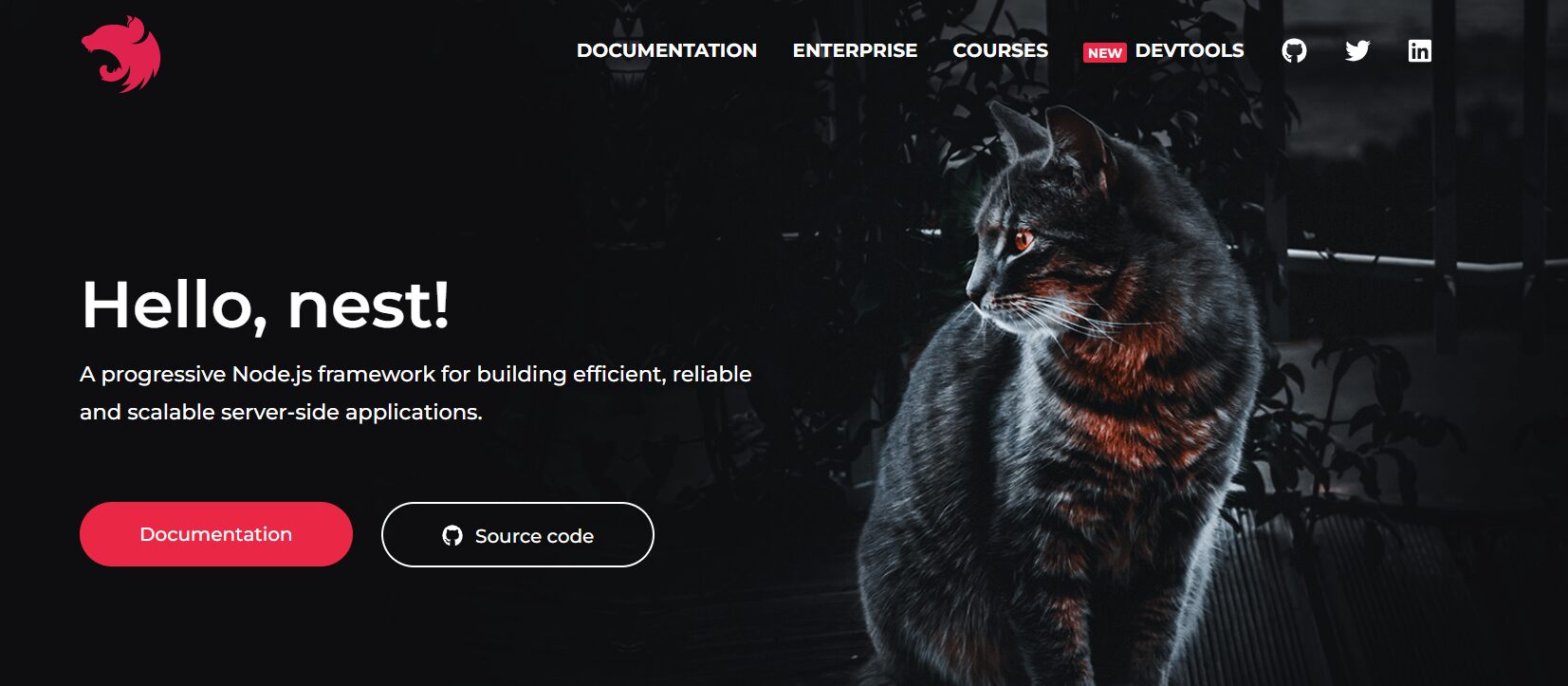
NestJS is a progressive JavaScript framework built atop Node.js that brings Angular-inspired architecture to backend development. Leveraging TypeScript, NestJS offers strong typing, better tooling, and structured development patterns.
Its modular design fosters scalability, testability, and maintainability, making it ideal for enterprise-grade systems. Developers building scalable digital products will find NestJS particularly valuable for long‑term projects
Read more about scalable architectures from Google developers.
Why Choose NestJS?
NestJS stands out for developers aiming to build maintainable and scalable systems with less overhead. Its design principles address key development needs:
- Scalable architecture using modules
- Strong typing through TypeScript
- Enhanced maintainability with dependency injection
- Rapid development using a powerful CLI
These factors make NestJS an optimal choice for building future‑ready digital applications with robust performance
Learn about backend frameworks from MDN Web Docs.
Top-Notch Features of NestJS
Modular Architecture
Modularity enables developers to group related functionality, making code easier to maintain and scale. This approach is ideal for large-scale projects, such as digital product engineering.
TypeScript Support
TypeScript integration provides static typing, early error detection, and better navigation, making large applications more reliable and easier to debug.
Decorator-Based Syntax
Decorators streamline configuration and improve readability, helping developers organize logic more effectively.
Dependency Injection
Dependency injection enables loose coupling and makes testing easier, which is essential for enterprise-grade software development.
Benefits of Using NestJS

Embracing TypeScript’s Strengths
TypeScript is the backbone of NestJS, bringing powerful advantages to backend development. Its type safety prevents runtime errors by catching issues during compilation, improving overall reliability.
Features like autocomplete and type inference enhance developer productivity by reducing debugging time. TypeScript also makes large-scale projects more maintainable, which is essential for enterprise‑level development.
Powerful CLI
NestJS comes with a Command Line Interface (CLI) that streamlines the development workflow. The CLI automates repetitive tasks such as scaffolding modules, generating boilerplate code, and setting up project configurations. This not only saves valuable developer time but also enforces consistency and best practices across projects.
Strong Open‑Source Community
NestJS benefits from an active open‑source ecosystem, supported by a global community of developers. Its MIT license allows unrestricted usage, modification, and distribution, encouraging innovation and collaboration.
This strong community involvement ensures frequent updates, plugins, and tools that keep the framework modern and robust.
Simplified Unit Testing
NestJS comes equipped with built-in testing utilities, including support for Jest and Supertest, enabling isolated and efficient testing of components. This promotes a Test‑Driven Development (TDD) culture, allowing developers to write code with confidence that it works correctly before deployment.
Rich Documentation
NestJS offers comprehensive documentation that includes detailed guides, API references, and real-world examples. This rich learning resource empowers developers to quickly understand and implement features, reducing onboarding time and enabling faster project delivery.
Future of NestJS
NestJS continues to grow with active community support and frequent updates. Its adaptability ensures it will remain a relevant choice for backend development. Developers looking to build scalable, maintainable, and modular applications will find NestJS an enduring solution for years to come.

Conclusion
NestJS offers a powerful blend of scalability, maintainability, and developer-friendly architecture. For companies pursuing digital product engineering, adopting NestJS can mean faster development cycles, better code quality, and a future-proof backend system.
A Product Engineering Company with an unmatched reputation, Wishtree Technologies provides solutions to an array of clients, including Fortune 500 companies, Thoma Bravo, Vista Equity Partners, UN Agencies (WHO, UNDP, World Bank) Nonprofits, and Startups.
Contact us today for a free consultation.
FAQs
Is NestJS good for enterprise-scale applications?
Yes, its modular architecture and TypeScript integration make it highly suitable for large projects.
How does NestJS compare with other Node.js frameworks?
NestJS offers structured architecture, built‑in tooling, and strong typing, which improve maintainability and scalability compared to many Node.js frameworks.
Can NestJS integrate with existing projects?
Yes, its modular design allows gradual adoption without rewriting entire codebases.


